
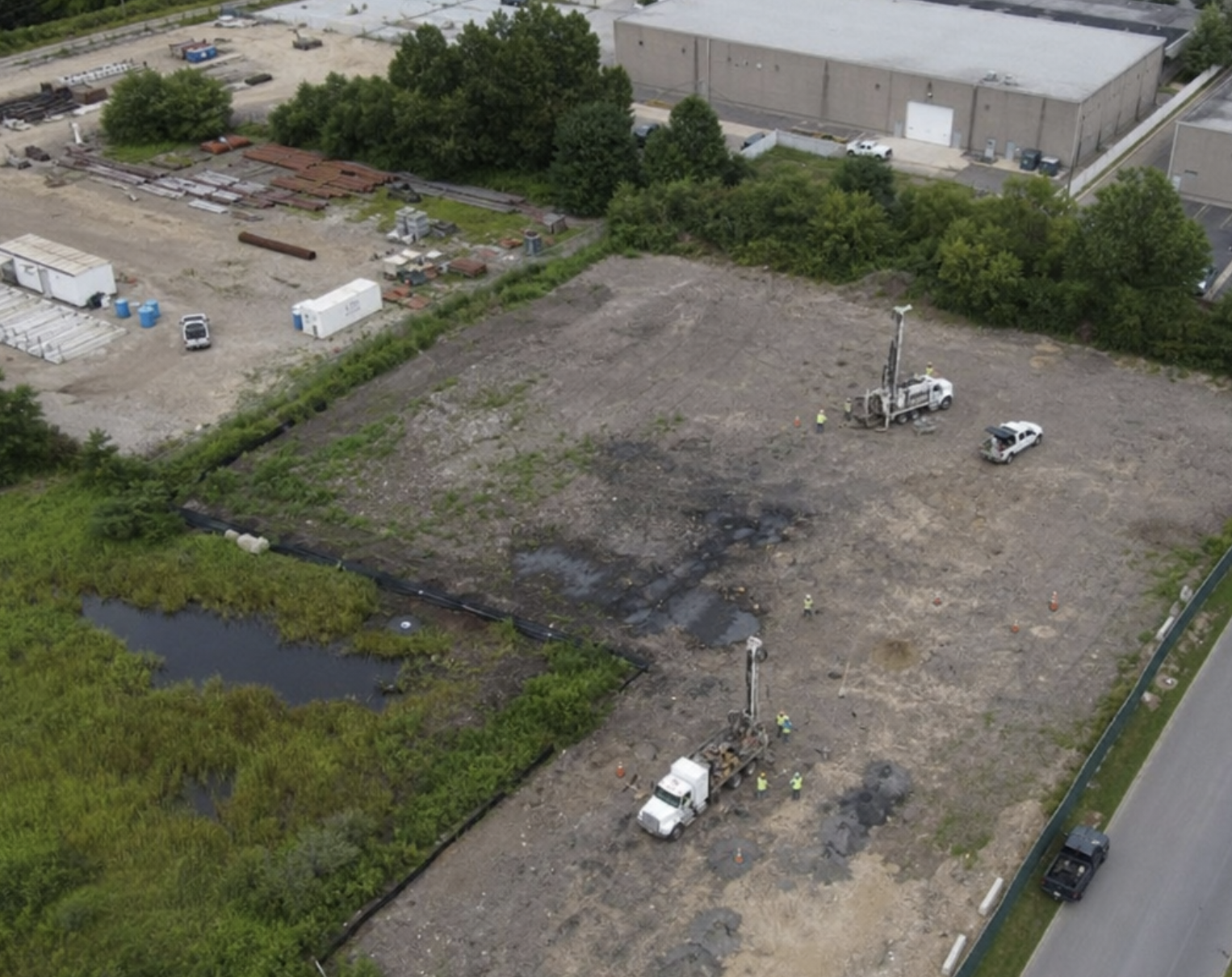
Environmental Regulatory Compliance
CRB helps commercial and industrial facilities understand and manage environmental regulatory requirements at the federal, state and local level. From compliance assessments and permitting to monitoring, reporting and agency coordination, our environmental professionals help clients identify what applies, address compliance gaps and manage ongoing regulatory obligations.
On This Page
- What Is Environmental Regulatory Compliance?
- When Do You Need Environmental Compliance Support?
- Environmental Regulatory Compliance Services
- Ongoing Environmental Compliance Support
- How CRB Helps Facilities Manage Environmental Compliance
- Frequently Asked Questions About Environmental Regulatory Compliance
What Is Environmental Regulatory Compliance?
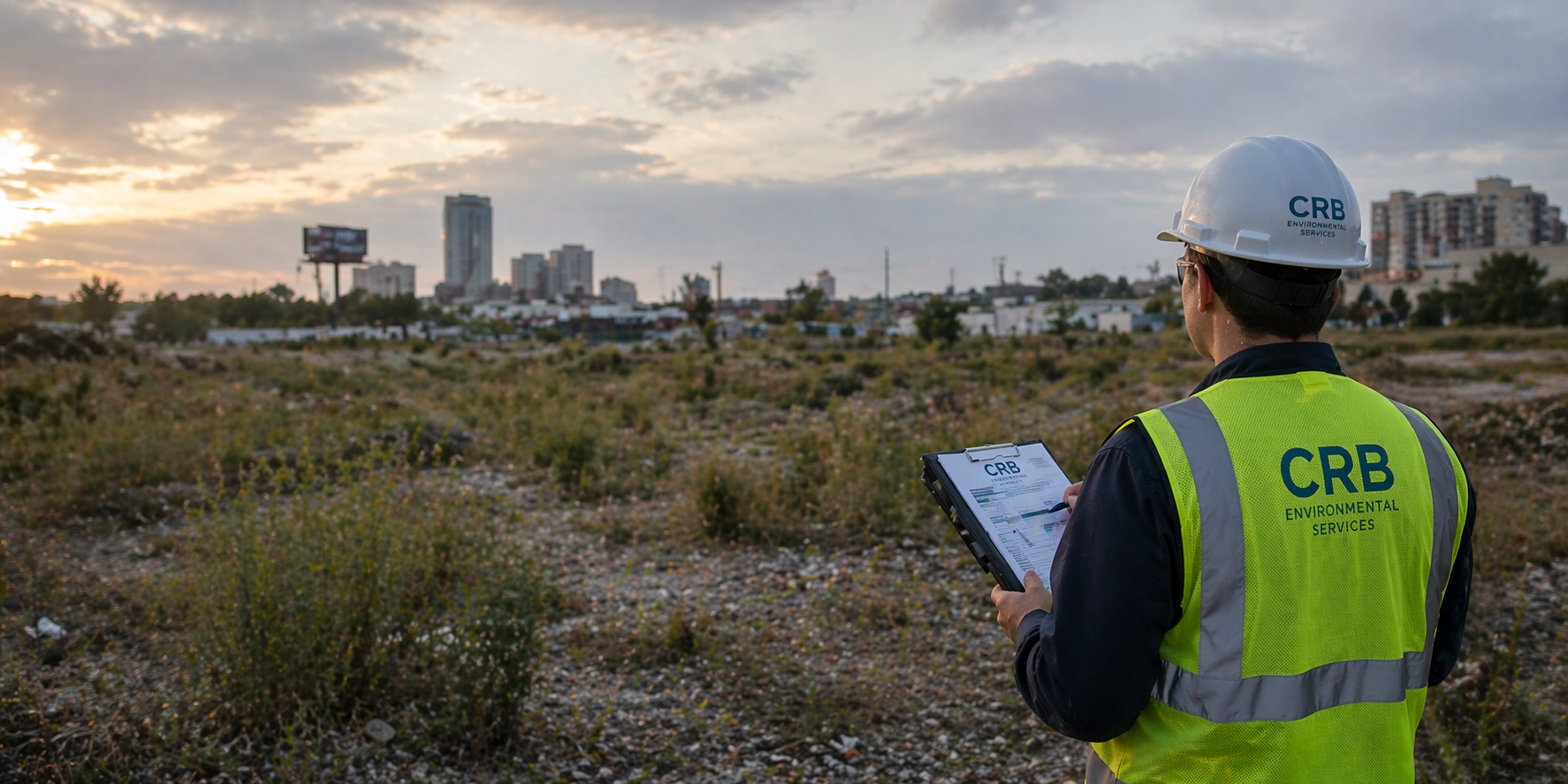
Environmental regulatory compliance is the process of identifying and meeting the environmental laws, permits, reporting requirements and operational obligations that apply to a facility, property or project. Depending on the operation, requirements may involve air emissions, stormwater, wastewater, hazardous waste, petroleum storage, hazardous materials and other environmental programs.
Compliance can involve both one-time requirements, such as obtaining a permit, and recurring obligations such as inspections, monitoring, recordkeeping and regulatory reporting.
Environmental compliance requirements can change as a facility is acquired, developed, expanded or modified, and many obligations continue throughout normal operations. Permits, monitoring, inspections, recordkeeping and reporting requirements may also vary based on the facility, location and activities being conducted.
An environmental compliance consultant can help determine which requirements apply, identify potential compliance gaps and establish the steps needed to maintain compliance with applicable federal, state and local environmental requirements.
When Do You Need Environmental Compliance Support?
Responding to a Notice or Compliance Issue
A regulatory notice, potential violation or identified compliance gap should be evaluated to determine which environmental requirement is involved and what response may be appropriate. CRB can review the underlying issue, available records and applicable regulatory requirements, help coordinate additional investigation or corrective action when needed, and provide environmental consulting support during communication and coordination with the appropriate regulatory agency.
Opening, Acquiring or Expanding a Facility
Opening, acquiring or expanding a facility can introduce new environmental permitting and compliance requirements based on the property and planned operations. CRB can review facility activities, existing permits and available environmental documentation to help identify applicable requirements, outstanding obligations and potential compliance gaps. This helps owners and operators understand environmental requirements that may need to be addressed before or as operations move forward.
Preparing for an Environmental Agency Inspection
Environmental agency inspections may involve reviewing permits, records and reports, observing facility operations and evaluating compliance with applicable regulatory requirements. CRB can help facilities prepare by reviewing environmental documentation, permit conditions, reporting requirements and relevant site conditions before an inspection. Identifying potential compliance gaps in advance gives facility owners and operators an opportunity to understand and address issues before or during the regulatory inspection process.
Managing Recurring Monitoring & Reporting
Environmental permits and regulatory programs may include recurring requirements for inspections, sampling, monitoring, recordkeeping and reporting. Missing a required activity or deadline can create a compliance issue even when facility operations have not changed. CRB can help facilities organize and manage applicable environmental compliance requirements, including scheduled monitoring, documentation, regulatory reporting and agency coordination, to help keep recurring obligations on track.
Changing Facility Operations or Processes
Changes to equipment, materials, storage, waste streams, emissions, discharges or facility processes can affect existing environmental requirements or introduce new compliance obligations. CRB can evaluate proposed or completed operational changes to help determine whether existing permits, monitoring requirements or compliance programs should be reviewed or updated and whether additional regulatory coordination may be appropriate before or following the change.
Managing Environmental Requirements Across Multiple Facilities
Organizations operating multiple facilities may face different environmental requirements based on each property's location, operations, permits and regulatory jurisdiction. CRB can help multi-site clients review facility-specific requirements, organize recurring compliance obligations and establish a more consistent approach to environmental monitoring, documentation and reporting across a portfolio while accounting for regulatory requirements that may differ from one facility or jurisdiction to another.

-
CRB performs environmental compliance assessments and audits to evaluate facility operations, permits, records and environmental practices against applicable regulatory requirements. These reviews can help identify compliance gaps, documentation deficiencies and areas requiring additional attention, giving facility owners and operators a clearer understanding of their current compliance status and the corrective actions or next steps that may be appropriate.
-
CRB provides stormwater compliance support for industrial facilities and construction projects, including Stormwater Pollution Prevention Plan (SWPPP) preparation and updates, inspections, monitoring, sampling and required documentation. Our team helps clients understand applicable stormwater requirements, maintain required records and address changing site or operational conditions that may affect ongoing stormwater compliance.
-
CRB assists facilities with Spill Prevention, Control, and Countermeasure (SPCC) compliance, including applicability evaluations, SPCC Plan preparation and updates, petroleum storage evaluations and related compliance support. We help clients evaluate oil storage and secondary containment conditions, maintain required documentation and address facility or operational changes that may affect SPCC requirements.
-
CRB helps facilities evaluate and manage hazardous waste requirements under the Resource Conservation and Recovery Act (RCRA) and applicable state programs. Services may include generator status evaluations, waste management and storage reviews, labeling and documentation assessments, recordkeeping support and compliance evaluations designed to identify potential gaps in hazardous waste management practices.
-
CRB supports facilities with recurring environmental monitoring, sampling, recordkeeping and regulatory reporting requirements. Depending on the applicable program or facility requirements, our team can help coordinate required monitoring activities, maintain supporting environmental documentation and prepare or support regulatory reporting so recurring compliance obligations and deadlines remain organized and properly documented.
-
CRB provides regulatory compliance support for underground storage tanks (USTs) and aboveground storage tanks (ASTs), including regulatory documentation, tank closure activities, release response and coordination with environmental agencies. Our experience in petroleum-related environmental investigation and corrective action also allows CRB to support clients when a tank compliance matter develops into a potential release or environmental investigation.
-
CRB assists clients with environmental agency requests, regulatory inspections, identified compliance issues and corrective actions. Our team can review the environmental conditions and regulatory requirements involved, help organize supporting documentation, coordinate necessary investigation or corrective action, and provide technical environmental support during communication with the appropriate regulatory agency.
Environmental compliance requirements vary by facility, operations, location and the environmental programs that apply. CRB provides regulatory compliance consulting to help commercial and industrial clients evaluate current conditions, identify compliance requirements, maintain required documentation and monitoring, and address issues that arise during ongoing operations.
Our environmental regulatory compliance services include:
Environmental Regulatory Compliance Services
Need Help With an Environmental Compliance Requirement?
Whether you are addressing a specific regulatory issue or need help determining which requirements apply to your facility, CRB can help evaluate the situation and determine the appropriate next steps.
Environmental compliance does not end when an assessment is completed or a plan is prepared. Many facilities have recurring obligations for inspections, monitoring, sampling, documentation and regulatory reporting that must be managed throughout the year.
CRB provides ongoing environmental compliance support to help facility owners and operators stay ahead of recurring requirements and address compliance issues as operations, regulations and facility conditions change. Depending on the facility and applicable programs, support may include scheduled inspections, environmental monitoring and sampling, recordkeeping, regulatory reporting, plan updates, compliance reviews and agency coordination.
By maintaining continuity with the facility and its environmental requirements, CRB can help clients identify upcoming obligations, address potential compliance gaps and respond when new environmental issues arise.
Inspections | Monitoring & Sampling | Reporting | Plan Updates | Agency Coordination
Ongoing Environmental Compliance Support
Environmental compliance requirements vary by facility, operations and regulatory program. CRB takes a practical approach to understanding what applies, evaluating current compliance and helping clients manage the actions, documentation and recurring obligations necessary to address environmental requirements.
How CRB Helps Facilities Manage Environmental Compliance
1. Identify Applicable Environmental Requirements
CRB begins by understanding the facility, its operations and the environmental programs that may apply. We review available permits, plans, records and relevant facility information to identify applicable federal, state and local environmental requirements and determine where additional evaluation may be needed.
2. Evaluate Current Compliance
CRB evaluates existing environmental practices and documentation against applicable requirements. Depending on the scope, this may include reviewing permits, plans, inspections, monitoring records, reporting, waste management practices, storage conditions and other relevant information to identify potential compliance gaps or outstanding obligations.
3. Develop a Compliance Action Plan
When compliance gaps or additional requirements are identified, CRB helps establish practical next steps. Recommendations may include updating plans or documentation, completing required monitoring or sampling, addressing facility conditions, preparing regulatory submittals or implementing other corrective actions appropriate to the issue.
4. Implement Monitoring, Documentation & Reporting
CRB can support the environmental monitoring, sampling, inspections, documentation and regulatory reporting required by applicable programs. This helps clients maintain organized records, meet recurring obligations and document environmental compliance activities as they are completed.
5. Maintain Ongoing Environmental Compliance
Environmental requirements can continue throughout facility operations and may change as equipment, processes, storage or site conditions change. CRB can provide ongoing compliance support to help clients track recurring requirements, update plans and documentation, address new compliance issues and coordinate with regulatory agencies when needed.
Frequently Asked Questions About Environmental Regulatory Compliance
-
Environmental regulatory compliance means meeting the environmental laws, regulations, permits and operational requirements that apply to a facility or project. Depending on the operation, requirements may involve stormwater, hazardous waste, petroleum storage, spill prevention, environmental monitoring, recordkeeping and regulatory reporting. Applicable requirements can come from federal, state and local environmental agencies and vary based on the facility, location and activities being conducted.
-
The environmental regulations that apply to a facility depend on its location, operations, materials, waste streams, petroleum storage, discharges and other regulated activities. There is no single set of environmental requirements that applies to every facility. An environmental compliance assessment can help identify applicable federal, state and local requirements and determine which permits, plans, monitoring, reporting or recordkeeping obligations may apply.
-
An environmental compliance audit is a systematic review of facility operations, permits, plans, records and environmental practices against applicable regulatory requirements. The purpose is to identify potential compliance gaps, documentation deficiencies and obligations that may require attention. CRB performs environmental compliance assessments and audits to help facility owners and operators understand their current compliance status and determine appropriate next steps.
-
There is no universal frequency for environmental compliance audits. The appropriate schedule depends on the facility, applicable regulations, permit requirements, operational changes and the organization's compliance program. Additional reviews may be appropriate after significant facility or process changes, changes in environmental requirements, identified compliance issues or before regulatory inspections. CRB can help determine an appropriate compliance review approach based on facility-specific requirements.
-
Yes. Changes to equipment, processes, materials, petroleum storage, waste generation, discharges or other facility operations can affect existing environmental compliance requirements or create new obligations. Depending on the applicable program, a change may require additional evaluation, updated documentation or regulatory action. Reviewing environmental requirements before significant operational changes can help identify potential compliance obligations before they become an issue.
-
Yes. CRB can help facilities prepare for environmental agency inspections by reviewing applicable permits, plans, environmental records, reporting requirements and relevant site conditions. A pre-inspection compliance review can help identify potential documentation deficiencies or compliance gaps and determine whether corrective actions should be considered before the inspection.
-
A Stormwater Pollution Prevention Plan (SWPPP) documents how a regulated facility or construction site will identify and control potential sources of stormwater pollution and comply with applicable stormwater permit requirements. Whether a SWPPP is required depends on the facility or project, regulated activities, site conditions and applicable stormwater permitting program. CRB provides SWPPP preparation, updates, inspections, monitoring, sampling and stormwater compliance support.
-
A Spill Prevention, Control, and Countermeasure (SPCC) Plan is required for certain facilities that store or use oil and could reasonably discharge oil to navigable waters or adjoining shorelines. Applicability depends on factors including oil storage capacity, storage configuration and discharge potential. CRB can evaluate SPCC applicability and provide plan preparation, updates, petroleum storage evaluations and related spill prevention compliance support.
-
RCRA hazardous waste compliance involves properly identifying, managing, storing and documenting hazardous waste under the Resource Conservation and Recovery Act and applicable state requirements. A facility's obligations depend in part on the types and quantities of hazardous waste it generates. CRB helps facilities evaluate generator status, waste management practices, storage, labeling, documentation, recordkeeping and other hazardous waste compliance requirements.
-
A Notice of Violation should be reviewed promptly to understand the alleged violation, applicable regulatory requirement, response deadline and any requested corrective action. The appropriate response depends on the agency and circumstances involved. CRB can provide technical environmental support by reviewing the issue and available documentation, evaluating environmental conditions, coordinating necessary investigation or corrective action, and supporting regulatory agency communication within CRB's areas of expertise.
-
Yes. CRB can provide ongoing environmental compliance support for facilities with recurring inspections, monitoring, sampling, documentation, reporting and other environmental obligations. Ongoing support can help facility owners and operators organize compliance activities, track recurring requirements, maintain environmental documentation and address new compliance issues as facility operations or conditions change.
-
Yes. CRB provides environmental regulatory compliance consulting and support for commercial and industrial clients across the United States. Because environmental requirements can vary by state, local jurisdiction, facility type and regulatory program, each project is evaluated based on the location, operations and applicable requirements involved.